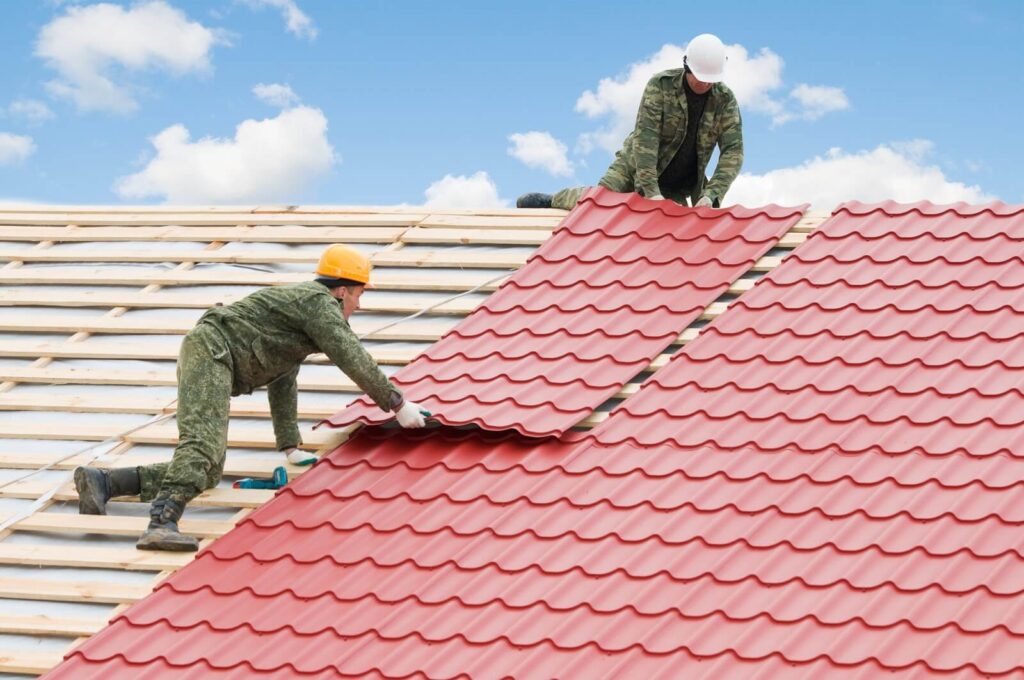
Metal roofing is a roofing system made from metal panels or tiles, typically constructed from materials like steel, aluminum, copper, or zinc. These panels are designed to interlock or overlap, creating a strong, protective barrier against environmental elements.
If you’re wondering what is metal roofing and how does it work, the concept is simple: metal panels are installed over a solid roof deck with an underlayment that adds insulation and moisture protection. These roofs are engineered to reflect sunlight, resist water penetration, and withstand extreme weather conditions.
This type of roofing is especially popular in metal roofing for residential homes due to its ability to handle heavy rain, strong winds, and even snow. Its design makes it a highly weather resistant roofing solution that performs well in different climates.
Types of Metal Roofing Materials Explained
Understanding the types of metal roofing is essential before choosing the right option for your home. Each material offers unique benefits in terms of durability, cost, and appearance.
Common Metal Roofing Materials
- Steel Roofing Panels
The most widely used option, steel roofing panels are strong, affordable, and coated to prevent rust. - Aluminum Roofing Sheets
Lightweight and corrosion-resistant, aluminum roofing sheets are ideal for coastal or humid environments. - Copper Roofing
A premium option known for its beauty and longevity. Copper develops a natural patina over time. - Zinc Roofing
Highly durable and self-healing, zinc is a long-lasting choice for modern homes.
Popular Metal Roof Styles
- Corrugated Metal Roof
Known for its wavy pattern, this style is affordable and easy to install. - Standing Seam Metal Roof
A sleek and modern design with hidden fasteners, offering superior durability and leak protection. - Metal Shingles
Designed to mimic traditional shingles while offering the strength of metal.
When exploring types of metal roofing materials explained, it’s important to consider your budget, climate, and design preferences.
Metal Roof Installation – Step-by-Step Overview
The process of metal roof installation requires precision and proper planning. While professionals are recommended, understanding the basics helps homeowners make better decisions.
Installation Steps:
- Roof Inspection & Preparation
The existing roof is inspected, and any damage is repaired. - Installing Underlayment
A protective layer is added to prevent moisture buildup. - Panel Installation
Metal panels are placed and secured using fasteners or clips. - Sealing and Finishing
Edges and joints are sealed to ensure waterproofing.
If you’re researching how to install metal roofing step by step, keep in mind that improper installation can lead to leaks and reduced lifespan. Hiring experienced professionals ensures a flawless finish and long-term performance.
Metal Roofing Cost in 2026
One of the most common questions homeowners ask is about metal roofing cost. While the upfront cost may be higher than traditional materials, the long-term value makes it worthwhile.
Average Cost:
- Metal roofing cost per square foot 2026 ranges from $8 to $16 depending on material and complexity.
Factors Affecting Cost:
- Type of material (steel, aluminum, copper)
- Roof size and slope
- Labor and installation complexity
- Additional features like insulation
Compared to asphalt shingles, metal roofing has a higher initial cost but offers lower maintenance and replacement expenses over time.
Metal Roofing Lifespan – How Long Does a Metal Roof Last?
One of the biggest advantages of metal roofing is its longevity. If you’re asking how long does a metal roof last, the answer is impressive.
Average Lifespan:
- 40 to 70 years, depending on material and maintenance
This makes it one of the most durable roofing materials available today. In comparison, traditional asphalt roofs typically last only 15–25 years.
Factors That Affect Lifespan:
- Climate conditions
- Quality of installation
- Regular maintenance
A well-installed metal roof can last decades with minimal upkeep.
Benefits of Metal Roofing
There are many benefits of metal roofing that make it a top choice in 2026.
Key Advantages:
- Energy Efficient Roofing
Reflects sunlight, reducing cooling costs in hot climates. - Eco-Friendly Roofing
Made from recyclable materials and reduces waste. - Weather Resistant Roofing
Withstands heavy rain, wind, and snow. - Low Maintenance
Requires fewer repairs compared to traditional roofs. - Fire Resistance
Offers added safety for your home.
These features make metal roofing one of the most reliable modern roofing solutions available today.
Metal Roofing Pros and Cons
Before making a decision, it’s important to understand the metal roofing pros and cons.
Pros:
- Long lifespan
- Energy efficiency
- High durability
- Sustainable and eco-friendly
Cons:
- Higher upfront cost
- Can be noisy during heavy rain
- Requires skilled installation
This balanced view highlights the advantages and disadvantages of metal roofing, helping you decide if it suits your needs.
Metal Roofing vs Shingles – Which Is Better?
The debate between metal roofing vs shingles is common among homeowners.
Comparison:
| Feature | Metal Roofing | Asphalt Shingles |
| Lifespan | 40–70 years | 15–25 years |
| Cost | Higher upfront | Lower upfront |
| Maintenance | Low | Moderate |
| Durability | High | Medium |
So, is metal roofing better than shingles?
Yes, if you’re looking for long-term value, durability, and energy efficiency. However, shingles may be better for tight budgets.
Is Metal Roofing Worth It in 2026?
If you’re asking is metal roofing worth it in 2026, the answer depends on your priorities.
Consider Metal Roofing If:
- You want a long-term investment
- You prefer low maintenance
- You value energy efficiency
While the initial cost is higher, the return on investment through durability and savings makes it a smart choice for many homeowners.
Maintenance Tips for Metal Roofing
Maintaining metal roofing is simple and cost-effective.
Tips:
- Clean debris regularly
- Inspect for loose fasteners
- Check for rust or damage
- Schedule periodic inspections
These steps will help maximize your roof’s lifespan and performance.
Why Metal Roofing Is an Eco-Friendly and Modern Choice
In today’s world, sustainability matters more than ever. Metal roofing aligns perfectly with eco-conscious living.
Benefits:
- Fully recyclable materials
- Reduces energy consumption
- Long lifespan reduces waste
It’s one of the best options for homeowners seeking eco-friendly roofing and sustainable building practices.
Beginner Guide to Metal Roofing – Key Takeaways
Here’s a quick beginner guide to metal roofing:
- It’s durable, long-lasting, and energy-efficient
- Available in various styles and materials
- Higher upfront cost but better long-term value
- Ideal for modern and eco-friendly homes
Frequently Asked Questions (FAQs)
What is metal roofing and how does it work?
Metal roofing uses interlocking metal panels to create a protective barrier that resists weather and improves energy efficiency.
How long does a metal roof last?
A metal roof typically lasts 40–70 years with proper maintenance.
Is metal roofing better than shingles?
Yes, in terms of durability, lifespan, and energy efficiency.
What is the metal roofing cost in 2026?
The average metal roofing cost per square foot 2026 ranges from $8 to $16.
What are the types of metal roofing materials explained?
Common materials include steel, aluminum, copper, and zinc, each offering unique benefits.
Conclusion
Metal roofing is a powerful combination of durability, efficiency, and modern design. As homeowners continue to look for long-lasting and sustainable solutions in 2026, metal roofing stands out as a smart investment.
This complete metal roofing guide has covered everything—from materials and installation to cost and lifespan—so you can confidently decide if it’s the right option for your home. If you’re planning a roof upgrade, metal roofing is definitely worth considering for its long-term benefits and performance.