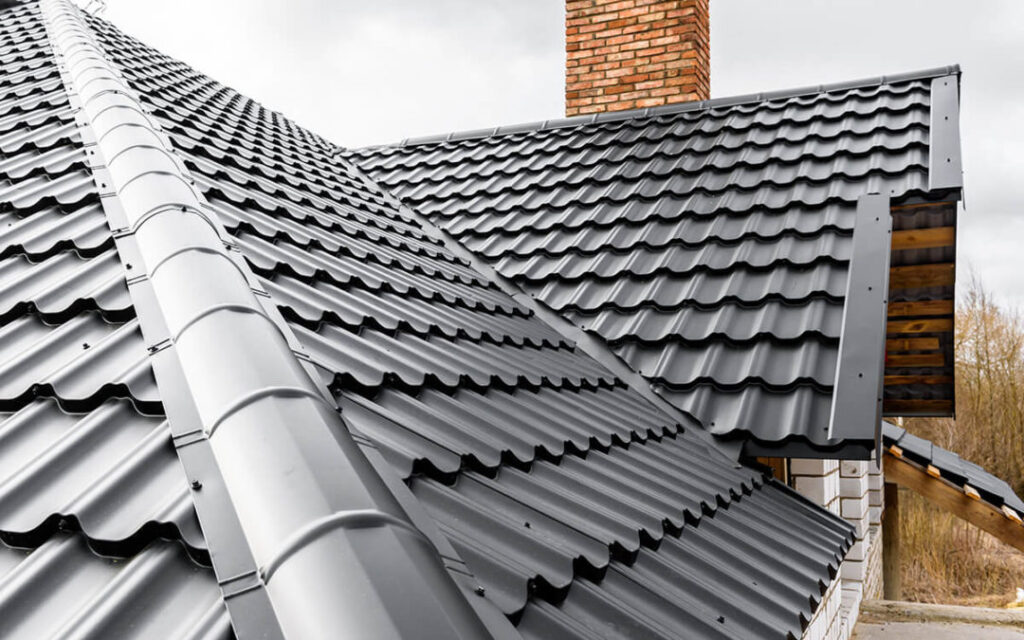
Metal roofs are known for durability, longevity, and modern curb appeal. Homeowners choose them because they can withstand harsh weather, resist fire, and last decades longer than traditional shingles. However, even the strongest roofing systems are not immune to wear and tear. Understanding common metal roofing problems is essential if you want to protect your investment and avoid expensive repairs.
While metal roofs are built to perform, metal roofing problems can still develop due to improper installation, weather exposure, aging components, or lack of maintenance. From metal roof leaks to corrosion and expansion issues, being proactive makes all the difference. In this comprehensive guide, we’ll break down the most frequent metal roof issues, explain why they happen, and show you exactly how to prevent them.
How Long Does a Metal Roof Last?
Before diving into common metal roofing problems, it’s important to understand lifespan expectations. Many homeowners ask, how long does a metal roof last?
On average:
- Standard metal roofing systems last 40–70 years
- Standing seam systems can last even longer
- Proper metal roofing maintenance significantly extends lifespan
Compared to asphalt shingles, which typically last 15–25 years, metal roofs offer superior durability. However, longevity depends on:
- Proper installation
- Quality materials
- Climate conditions
- Routine inspections
- Timely metal roof repair
Neglecting maintenance increases the risk of metal roofing defects and other long-term problems with metal roofs.
Top 10 Common Metal Roofing Problems
Below are the most frequent common metal roofing problems homeowners experience and how to avoid them.
1. Metal Roof Leaks
One of the most reported metal roofing problems is leakage. If you’re wondering, why is my metal roof leaking? the cause is rarely the panels themselves. Instead, leaks usually result from:
- Flashing failure
- Loose or damaged roof fasteners
- Cracked sealants
- Underlayment damage
- Improper panel overlaps
How to Fix Metal Roof Leaks
If you’re searching for how to fix metal roof leaks, the solution depends on severity:
- Replace damaged fasteners
- Reseal flashing areas
- Repair or replace compromised underlayment
- Ensure proper panel alignment
Routine inspections prevent small leaks from turning into major structural damage.
2. Improper Installation
Many common metal roofing problems start with installation errors. Improper installation leads to premature failures and long-term structural issues.
Common Mistakes in Metal Roofing Installation
- Incorrect panel spacing
- Over-tightened fasteners
- Poor flashing placement
- Ignoring roof slope requirements
- Failure to account for expansion and contraction
These metal roofing defects often cause panel separation and early system breakdown.
Prevention Tip: Always hire experienced professionals who understand manufacturer specifications.
3. Corrosion and Rust
Although metal roofs are coated for protection, corrosion and rust can still occur over time.
How to Prevent Metal Roof Rust
- Inspect for scratches or exposed metal
- Apply protective coatings when needed
- Clean debris that traps moisture
- Maintain drainage systems
Ignoring rust allows corrosion to spread, weakening panels and increasing repair costs.
4. Metal Roof Condensation Problems
Another overlooked issue is metal roof condensation problems. When warm indoor air meets a cool metal surface, moisture forms.
Common causes include:
- Poor ventilation
- Inadequate insulation
- High humidity levels
Condensation leads to mold growth, wood rot, and interior damage.
Prevention Strategy
- Improve attic airflow
- Install vapor barriers
- Upgrade insulation systems
Good ventilation is key to preventing many common metal roofing problems.
5. Expansion and Contraction Damage
Metal expands when heated and contracts when cooled. Over time, metal roof expansion and contraction issues can:
- Loosen fasteners
- Cause panel separation
- Stress flashing systems
This is especially common in climates with temperature fluctuations.
Standing seam systems handle movement better, but even they may experience minor standing seam metal roof problems if improperly installed.
6. Screw Down Metal Roof Problems
Exposed fastener systems are more prone to wear. Screw down metal roof problems typically include:
- Washer deterioration
- Fastener backing out
- Seal failure
- Water infiltration around screws
Because fasteners are exposed, they experience more weather-related stress.
Prevention Tip: Inspect and tighten fasteners annually.
7. Standing Seam Metal Roof Problems
Although premium, standing seam systems can still develop issues such as:
- Oil canning (visual waviness)
- Clip movement
- Improper seam locking
Most standing seam metal roof problems stem from installation mistakes rather than material failure.
8. Metal Roof Noise Problems
Many homeowners report metal roof noise problems during heavy rain or hail.
Common causes:
- Insufficient insulation
- Loose panels
- Improper underlayment
Installing solid sheathing and proper insulation dramatically reduces noise levels.
9. Water Pooling on Metal Roof
Water pooling on metal roof surfaces can indicate drainage issues.
Possible reasons:
- Roof slope issues
- Blocked gutters
- Poor installation design
Standing water increases the risk of corrosion and leaks.
10. Underlayment Damage
The metal panels protect your roof, but the underlayment beneath them plays a crucial role. Over time, underlayment damage can lead to hidden leaks and structural deterioration.
Common causes:
- Aging materials
- Moisture intrusion
- Poor ventilation
Routine inspections help detect underlayment problems before visible signs appear.
What Causes Most Problems with Metal Roofs?
Most problems with metal roofs fall into three categories:
1. Improper Installation
Poor workmanship leads to flashing failure, loose fasteners, and early panel separation.
2. Lack of Maintenance
Skipping regular metal roofing maintenance increases the risk of corrosion and sealant breakdown.
3. Environmental Exposure
Extreme weather, debris, and temperature swings contribute to gradual deterioration.
Understanding these root causes helps prevent recurring common metal roofing problems.
How to Avoid Costly Metal Roof Repair
Preventative care is the best way to avoid expensive metal roof repair. Here’s a simple roof maintenance checklist:
Annual Inspection
- Check for loose fasteners
- Inspect flashing areas
- Look for corrosion and rust
Clean the Roof
- Remove leaves and debris
- Clear gutters and downspouts
Check Sealants
- Reseal exposed joints
- Replace cracked caulking
Improve Ventilation
- Address poor ventilation
- Reduce condensation risks
Monitor Roof Slope & Drainage
- Ensure water flows properly
- Prevent water pooling
Regular maintenance minimizes metal roofing problems and extends system lifespan.
DIY vs Professional Metal Roof Repair
While minor issues like tightening fasteners can be handled by homeowners, major concerns require professionals.
Call a roofing specialist if you notice:
- Persistent metal roof leaks
- Extensive corrosion
- Structural sagging
- Repeated expansion-related failures
Professional contractors identify underlying metal roofing defects and prevent future damage.
Signs You Shouldn’t Ignore
Recognizing early warning signs reduces long-term repair costs.
Watch for:
- Water stains on ceilings
- Rust spots on panels
- Loose flashing
- Increased interior humidity
- Unusual roof noise
These are indicators of developing common metal roofing problems.
The Cost of Ignoring Metal Roofing Problems
Failing to address issues early leads to:
- Structural damage
- Mold growth
- Insulation failure
- Higher energy bills
- Premature roof replacement
Timely metal roof repair protects your home’s structure and resale value.
Frequently Asked Questions
What is the biggest problem with metal roofs?
The most frequent issue is leakage caused by flashing failure or loose fasteners.
Why is my metal roof leaking?
Leaks typically result from improper installation, damaged underlayment, or deteriorated sealants.
How often should metal roofs be inspected?
At least once per year and after severe storms.
Are metal roofs high maintenance?
No, but regular metal roofing maintenance prevents serious problems.
How long does a metal roof last?
With proper care, most systems last 40–70 years.
Final Thoughts
Metal roofing systems are one of the most durable options available, but understanding common metal roofing problems ensures long-term performance. From metal roof leaks and corrosion to expansion issues and condensation, most challenges are preventable with proper installation and routine maintenance.
By following a consistent roof maintenance checklist, addressing small issues early, and scheduling inspections, you can avoid expensive metal roof repair and extend your roof’s lifespan for decades.
Investing in proactive care today protects your home tomorrow — and keeps those common metal roofing problems from becoming costly surprises.