
Metal roofs are known for durability, energy efficiency, and a lifespan that can exceed 40–70 years. However, longevity doesn’t mean zero maintenance. To maximize performance and prevent costly repairs, homeowners and commercial property owners must follow practical seasonal metal roofing tips throughout the year.
Each season brings different weather conditions — snow and ice in winter, heavy rain in spring, UV exposure in summer, and falling debris in autumn. This complete metal roofing maintenance guide will walk you through exactly what to check each season, how to protect your investment, and how to build a reliable year-round metal roof maintenance routine.
If you’re wondering what to check on a metal roof each season, this in-depth guide has everything you need.
Why Seasonal Maintenance Is Essential for Metal Roofs
Metal roofing systems are strong, but they expand and contract with temperature changes. Over time, seasonal weather patterns can loosen fasteners, crack sealants, and weaken flashing.
Following consistent seasonal metal roofing tips helps you:
- Prevent leaks before they start
- Avoid rust and corrosion
- Extend coating life
- Reduce repair costs
- Maintain structural integrity
A proactive approach to preventive maintenance for metal roofs is always cheaper than emergency repairs.
Complete Metal Roof Maintenance Checklist (Year-Round Overview)
Before diving into season-specific tasks, here’s a master metal roof maintenance checklist that applies year-round.
1. Visual Inspection From the Ground
Use binoculars to look for:
- Loose panels
- Missing fasteners
- Discoloration
- Sagging areas
These are basic but essential metal roof inspection tips that every property owner should follow.
2. Check Roof Panels and Seams
Inspect standing seams and panel overlaps. Separation can allow moisture penetration.
3. Inspect Fasteners and Screws
Metal roofs rely on secure fasteners. Temperature changes may loosen screws over time.
4. Examine Flashing and Sealants
Check areas around chimneys, skylights, vents, and valleys. Sealants dry out faster in extreme weather.
5. Inspect Gutters and Drainage
Clogged gutters lead to standing water, increasing corrosion risk.
6. Look for Rust or Corrosion
Even galvanized and coated metal can develop surface rust if damaged.
Understanding how to maintain a metal roof starts with consistency. Inspections twice a year — plus after major storms — form the backbone of effective year-round metal roof maintenance.
Winter Metal Roofing Tips: What to Check
Winter can be the harshest season for roofing systems. Following proper winter metal roof maintenance steps prevents structural stress and water damage.
Monitor Snow Accumulation
Although metal roofs shed snow efficiently, excessive snow load can stress structural supports.
Metal Roof Snow Removal Tips
- Use a roof rake from the ground
- Avoid metal tools that scratch coatings
- Never climb onto icy surfaces
Safe removal prevents panel damage.
Prevent Ice Dams on Metal Roof
Ice dams form when melting snow refreezes at roof edges. To prevent ice dams on metal roof systems:
- Improve attic insulation
- Ensure proper ventilation
- Seal air leaks
This is critical for winter roof damage prevention.
Metal Roof Cold Weather Inspection
Cold temperatures can cause:
- Brittle sealants
- Cracked flashing
- Shrinking gaskets
Inspect after extreme cold snaps.
Spring Metal Roofing Tips: What to Check
Spring is the best time for a comprehensive spring roof inspection checklist after winter stress.
Metal Roof Leak Inspection
Look for:
- Water stains in attic
- Dripping sounds
- Mold growth
A thorough metal roof leak inspection helps identify hidden issues.
Clean Metal Roof After Winter
Debris, dirt, and salt buildup accelerate corrosion. Gently wash the surface using low-pressure water.
Check Flashing on Metal Roof
Flashing often shifts during freeze-thaw cycles. Always check flashing on metal roof systems around chimneys and vents.
Spring Roof Maintenance Tips
- Tighten loose fasteners
- Reseal minor cracks
- Clear gutters
Following these spring roof maintenance tips ensures your roof is ready for summer storms.
Summer Metal Roofing Tips: What to Check
High temperatures and UV exposure can impact coatings and sealants.
Summer Metal Roof Protection
Prolonged heat exposure causes expansion. Regular inspections prevent panel warping.
Metal Roof Heat Damage Prevention
Watch for:
- Oil canning (visible waviness)
- Loose fasteners
- Expansion gaps widening
Proper metal roof heat damage prevention ensures structural stability.
UV Protection for Metal Roofing
Inspect protective coatings for fading or chalking. UV damage reduces reflectivity and energy efficiency.
Inspect Metal Roof Sealants
Sealants dry faster in hot weather. Always inspect metal roof sealants around penetrations.Summer Roof Maintenance Tips
After hailstorms:
- Check for dents
- Inspect seams
- Assess coating damage
These summer roof maintenance tips help avoid long-term deterioration.
Fall Metal Roofing Tips: What to Check
Fall is preparation season. Smart autumn roof inspection tips protect your home before winter.
Fall Roof Maintenance Checklist
Your fall roof maintenance checklist should include:
- Panel inspection
- Fastener tightening
- Flashing evaluation
- Gutter cleaning
Clean Gutters for Metal Roof
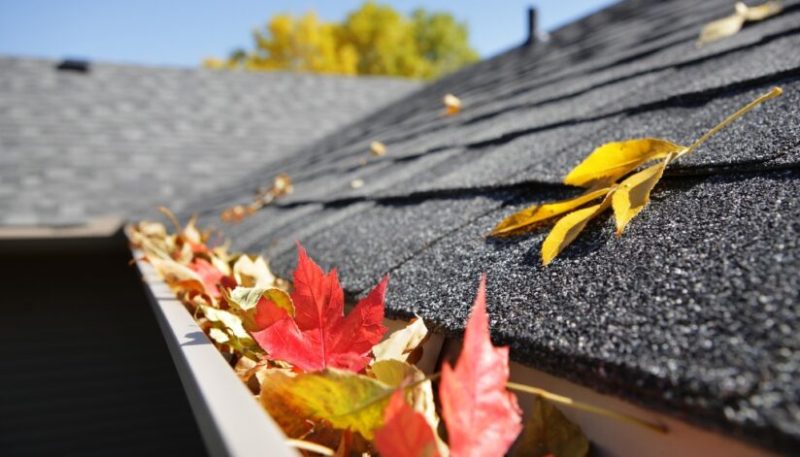
Leaves clog drainage systems quickly. Always clean gutters for metal roof systems before winter.
Prepare Metal Roof for Winter
To prepare metal roof for winter:
- Seal gaps
- Check insulation
- Ensure attic ventilation
Inspect Roof Panels Before Winter
Loose panels worsen under snow weight. Always inspect roof panels before winter to prevent structural stress.
DIY vs Professional Inspection
Many homeowners follow a DIY metal roof inspection guide for minor checks. However, professional inspections are recommended:
- Every 2–3 years
- After severe storms
- For commercial properties
Large buildings require commercial metal roof seasonal maintenance due to structural complexity.
Signs Your Metal Roof Needs Maintenance
Recognizing early warning signs saves thousands in repairs.
Common signs your metal roof needs maintenance:
- Visible rust
- Leaks
- Loose panels
- Interior water stains
- Increased energy bills
Never ignore small issues — they escalate quickly.
How Often Should You Inspect a Metal Roof?
If you’re asking, how often should you inspect a metal roof, the answer is:
- Twice per year (spring and fall)
- After severe weather
- Before winter
Routine inspections are the foundation of successful seasonal metal roofing tips implementation.
Seasonal Metal Roof Maintenance Checklist for Homeowners
Here’s a simplified seasonal metal roof maintenance checklist for homeowners:
Winter
- Remove heavy snow
- Inspect for ice dams
- Check sealants
Spring
- Perform leak inspection
- Clean roof surface
- Tighten fasteners
Summer
- Inspect coatings
- Check sealants
- Monitor expansion
Fall
- Clean gutters
- Inspect panels
- Seal gaps
Following this routine ensures effective year-round metal roof maintenance.
Final Thoughts
Metal roofing systems are built to last — but they aren’t maintenance-free. By following these proven seasonal metal roofing tips, you protect your investment, reduce repair costs, and extend your roof’s lifespan.
A structured metal roof maintenance checklist, combined with smart seasonal planning, ensures your roof performs optimally in every climate condition.
If you commit to consistent inspections and proactive care, your metal roof will continue protecting your property for decades.