

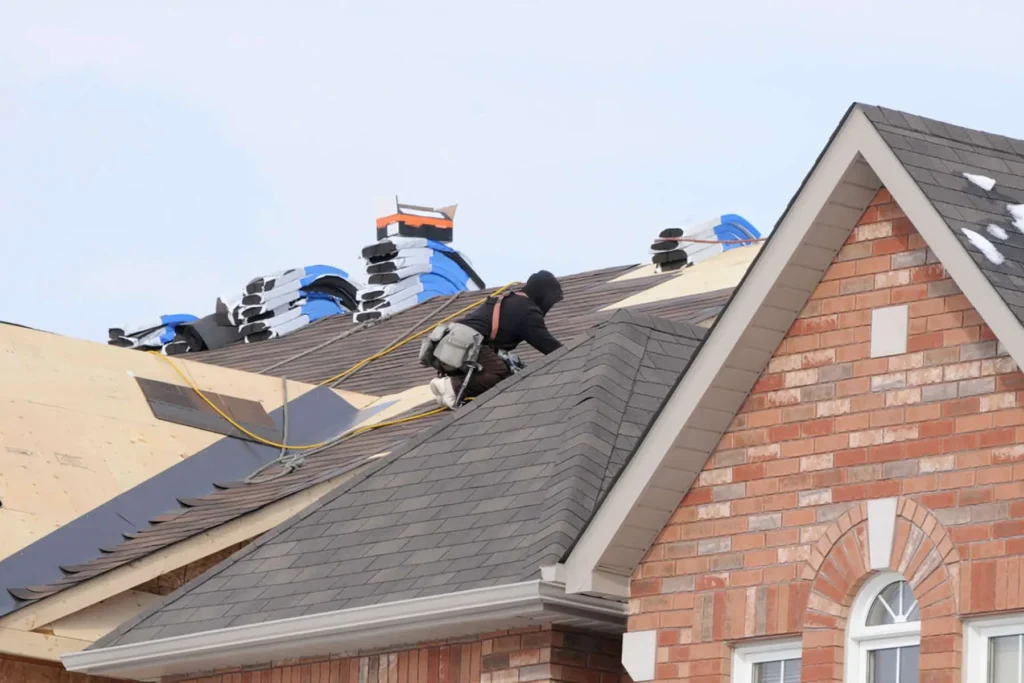
Replacing a roof is one of the most important investments a homeowner can make. Whether your roof has reached the end of its lifespan or has suffered storm damage, understanding the roof replacement process can help you feel confident, prepared, and stress-free before work begins.
Many homeowners worry about noise, mess, timelines, and whether they need to leave their home during the project. This guide breaks down the roof replacement process step by step, explains what happens during roof replacement, and outlines what to expect during roof replacement—from inspection to final cleanup.
If you’re considering a residential roof replacement, this in-depth guide will walk you through every stage.
Understanding the Roof Replacement Process
The roof replacement process involves removing the existing roofing materials, inspecting the roof structure, and installing a new roofing system designed to protect your home for decades. When handled by a licensed roofing contractor, the roofing replacement process is efficient, safe, and designed to minimize disruption.
Knowing how roof replacement works allows homeowners to plan ahead, protect their property, and avoid unnecessary surprises.
Step-by-Step Roof Replacement: Complete Breakdown
Step 1: Initial Roof Inspection and Assessment
Every successful roof replacement process begins with a professional inspection. During this stage, roofing experts evaluate:
- Shingle condition
- Signs of leaks or moisture damage
- Structural integrity of the roof deck
- Flashing, ventilation, and drainage systems
This inspection helps determine whether a full replacement is required and provides the basis for an accurate roof replacement cost breakdown.
A detailed assessment also allows contractors to identify hidden problems that could impact the roof replacement procedure later.
Step 2: Choosing Materials and Scheduling the Project
Once the inspection is complete, homeowners select roofing materials such as asphalt shingles, metal roofing, or architectural shingles. The right material affects durability, appearance, and overall affordability.
At this stage, your contractor will:
- Explain material options
- Provide timeline estimates
- Schedule installation based on weather conditions
Choosing professional roof replacement services ensures high-quality materials and expert installation.
Step 3: Roof Replacement Preparation Checklist
Preparation is a key part of the roof replacement process. Before installation day, homeowners should complete a few simple steps to protect their home and belongings.
Roof replacement preparation checklist:
- Move vehicles away from the driveway
- Secure or remove fragile wall décor
- Cover items in the attic
- Trim branches near the roof
- Inform neighbors about upcoming noise
These steps help reduce stress and ensure the project runs smoothly.
Step 4: Removing the Old Roof
The first major hands-on phase is tearing off the old roofing materials. During this stage, crews remove shingles, underlayment, nails, and damaged flashing.
Homeowners often ask: is roof replacement messy?
While tear-off creates debris and noise, professional teams use tarps, plywood, and protective barriers to keep the area controlled.
This step is essential to ensure the new roofing system is installed on a clean, stable surface.
Step 5: Roof Deck Inspection and Repairs
Once the old materials are removed, contractors inspect the roof decking. This is one of the most important roof replacement steps.
If damaged wood, rot, or mold is found, repairs are completed before proceeding. Skipping this step can compromise the entire roofing replacement process and shorten the roof’s lifespan.
A strong foundation ensures long-term durability and structural safety.
Step 6: Installing Underlayment and Moisture Barriers
After the deck is secured, installers add protective layers that form the backbone of the roof replacement procedure.
These include:
- Ice and water shields
- Roofing underlayment
- Drip edges
These components prevent moisture intrusion, ice dam damage, and wind-driven rain. This stage plays a critical role in how roof replacement works to protect your home year-round.
Step 7: Flashing and Ventilation Installation
Flashing is installed around chimneys, skylights, vents, and roof edges. Proper flashing prevents leaks at vulnerable points.
Ventilation systems are also upgraded or replaced during this phase. Proper airflow:
- Prevents moisture buildup
- Improves energy efficiency
- Extends roof lifespan
This step is often overlooked but is essential in the roof replacement process step by step.
Step 8: Shingle or Roofing Material Installation
Now the visible transformation begins. Roofing materials are installed according to manufacturer specifications and local building codes.
This phase defines:
- Roof aesthetics
- Weather resistance
- Warranty coverage
Experienced crews ensure proper alignment, fastening, and sealing—critical factors for affordable roof replacement that doesn’t compromise quality.
Step 9: Final Inspection and Quality Check
Before declaring the job complete, contractors perform a final inspection. This ensures:
- All materials are installed correctly
- Flashing is secure
- Ventilation functions properly
- Cleanup meets safety standards
This step confirms that the roof replacement process has been executed to professional standards.
Step 10: Roof Replacement Cleanup Process
One of the most common homeowner concerns is cleanup. A professional roof replacement cleanup process includes:
- Magnetic nail sweeps
- Debris removal
- Gutter clearing
- Property inspection
When done right, your yard should look just as clean as it did before the project began.
What Happens During Roof Replacement?
If you’re wondering what happens during roof replacement, expect:
- Loud noises during tear-off and installation
- Workers moving around the property
- Temporary access limitations
Despite the activity, professional roofers prioritize safety, efficiency, and respect for your home.
Do I Need to Leave My House During Roof Replacement?
A common question homeowners ask is: do I need to leave my house during roof replacement?
In most cases, the answer is no. You can remain inside your home safely, although noise may be disruptive. Some homeowners choose to leave during peak installation hours, especially if working from home or caring for pets.
How Long Does the Roof Replacement Process Take?
The timeline varies depending on roof size, material choice, and weather. On average:
- Small homes: 1 day
- Medium homes: 1–2 days
- Large or complex roofs: 2–3 days
An experienced, licensed roofing contractor will provide a clear schedule before work begins.
Roof Replacement Cost Breakdown: What Impacts Pricing?
Understanding your roof replacement cost breakdown helps you plan financially. Costs are influenced by:
- Roofing material
- Roof size and pitch
- Labor requirements
- Structural repairs
- Permit fees
Choosing professional roof replacement services ensures transparency and long-term value.
Benefits of Hiring a Licensed Roofing Contractor
Hiring a licensed roofing contractor provides:
- Code-compliant installation
- Manufacturer-backed warranties
- Proper insurance coverage
- Skilled craftsmanship
This expertise ensures your residential roof replacement is done right the first time.
Affordable Roof Replacement Without Cutting Corners
Many homeowners worry about affordability. An affordable roof replacement doesn’t mean sacrificing quality—it means choosing the right materials, working with reputable professionals, and avoiding costly mistakes.
A properly installed roof saves money over time by reducing repairs, improving energy efficiency, and protecting your home.
Final Thoughts: What to Expect During Roof Replacement
Understanding the roof replacement process empowers homeowners to make informed decisions. From inspection to cleanup, each step plays a vital role in protecting your home and investment.
When handled by professional roof replacement services, the entire process is efficient, safe, and far less stressful than most homeowners expect.
If you’re planning a roof upgrade, working with an experienced team ensures long-lasting results, clear communication, and peace of mind.